

Why choose the Sensewee smart electric screwdriver?
2019-01-23
What exactly makes Sensewee’s smart electric screwdriver unique in the smart locking industry? What revolutionary changes has its emergence brought to the locking industry?
Currently, conventional electric screwdrivers and pneumatic screwdrivers are widely used. They are popular among users due to their low cost, light weight, and ease of use. However, with the advancement of society and technology, labor costs continue to rise, and manufacturing is shifting toward automation and intelligence. As a result, the original conventional electric screwdrivers and pneumatic screwdrivers are gradually becoming inadequate for the application scenarios in high-end manufacturing.
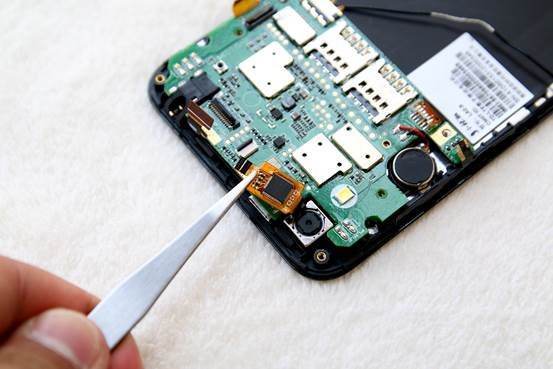
Under the impetus of strong demand in this broader environment, a new locking wire technology has emerged. Specifically tailored to the precision tightening requirements of high-end manufacturing, using servo control technology to achieve precise screw tightening represents an effective solution.
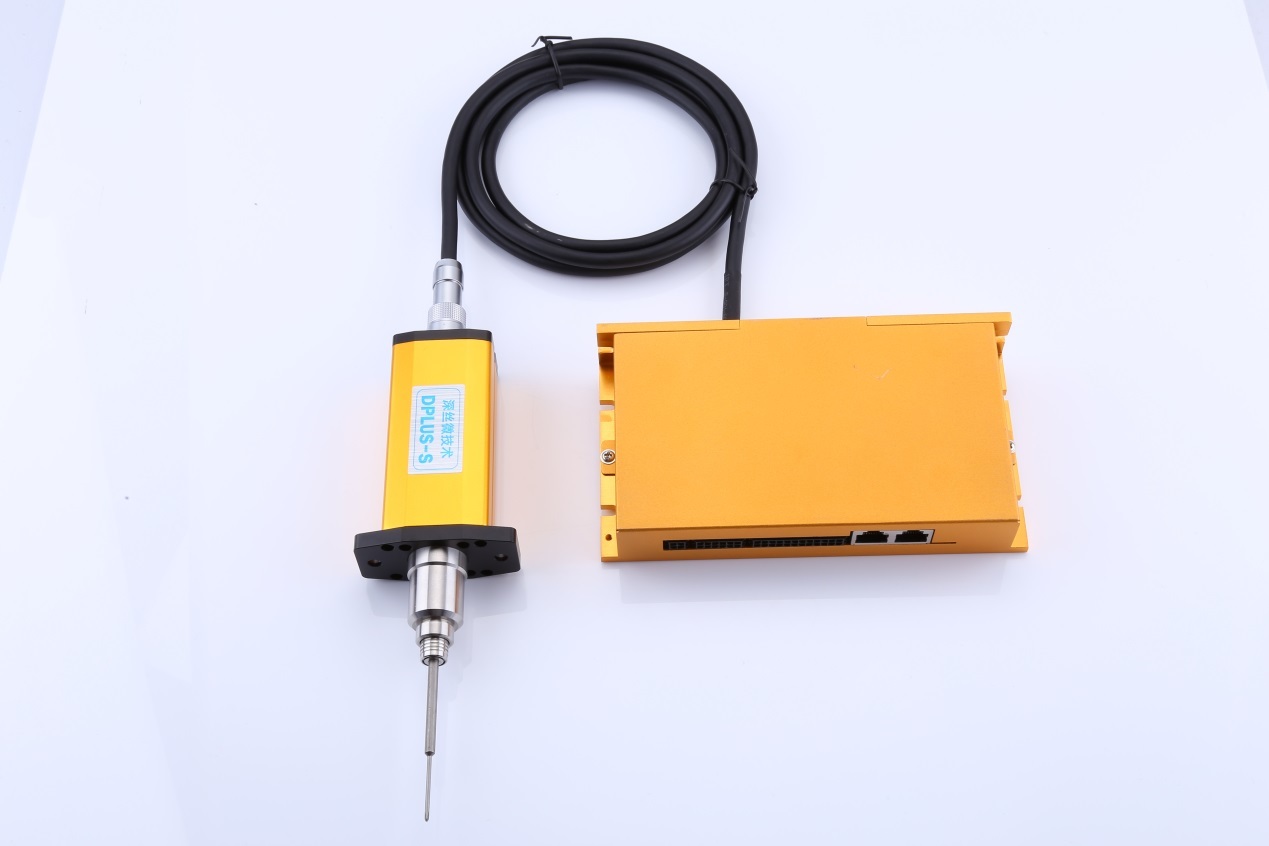
Smart electric screwdrivers and traditional electric screwdrivers differ fundamentally in terms of intelligence.
1. Accuracy
The Sensewee smart electric screwdriver can achieve high-precision control and real-time torque control, keeping the torque accuracy deviation within 5%.
2. Speed
The Sensewee smart electric screwdriver can achieve multi-stage variable speed, meeting the different speed requirements of screws at various tightening stages.
3. Record tracing
Record the working results of each screw, ensuring that the status of each screw’s working result is traceable. Also, automatically maintain the number of records to prevent the data from expanding indefinitely.
4. Multitasking Switching
The Sensewee smart electric screwdriver supports 16 tasks, each of which can be divided into 10 steps for tightening. Users can modify different parameters according to various tightening processes to achieve a wide range of complex tightening applications.
5. Scalability, extensibility
The publicly available secondary development agreement can be seamlessly integrated with other tightening platforms.
Previous article
Relevant Information
Introduction to Smart Electric Screwdrivers
2023-08-19
How to use a smart electric screwdriver
2023-06-12
SenseweeA reliable partner brand you can trust.

Copyright & ©2025 Shenzhen Sensewee Intelligent Technology Co., LTD All rights reserved
SEO
Technical Support:Chinese Enterprises Cross-border Shenzhen
Persistently build a comprehensive service system for our customers and continue to lead the future through innovation.
Sales Engineer (Huang Sheng)
Sales Engineer (Shi Sheng)
Sales Engineer (Lu Sheng)
Address
Building G, Room 608, Longjing Science and Technology Park, No. 335 Bulong Road, Shajing Subdistrict, Longgang District, Shenzhen City, Guangdong Province
Copyright & ©2025 Shenzhen Sensewee Intelligent Technology Co., LTD All rights reserved
SEO
Technical Support:Chinese Enterprises Cross-border Shenzhen
在线客服添加返回顶部
右侧在线客服样式 1,2,3 1
图片alt标题设置: Remember to modify: Company Name
表单验证提示文本: Content cannot be empty!
循环体没有内容时: Sorry, no matching items were found.
CSS / JS 文件放置地