

The Right Way to Open a Screwdriver on the Production Line—What You Need to Know
2019-01-23
Smart servo screwdrivers—ready for you to discover!
If, in the era of Industry 4.0, you’re still using a handheld screwdriver to assemble products, then you’ve probably already fallen a hundred streets behind everyone else!
Why do I say that? Just take a look at other people’s production workshops!
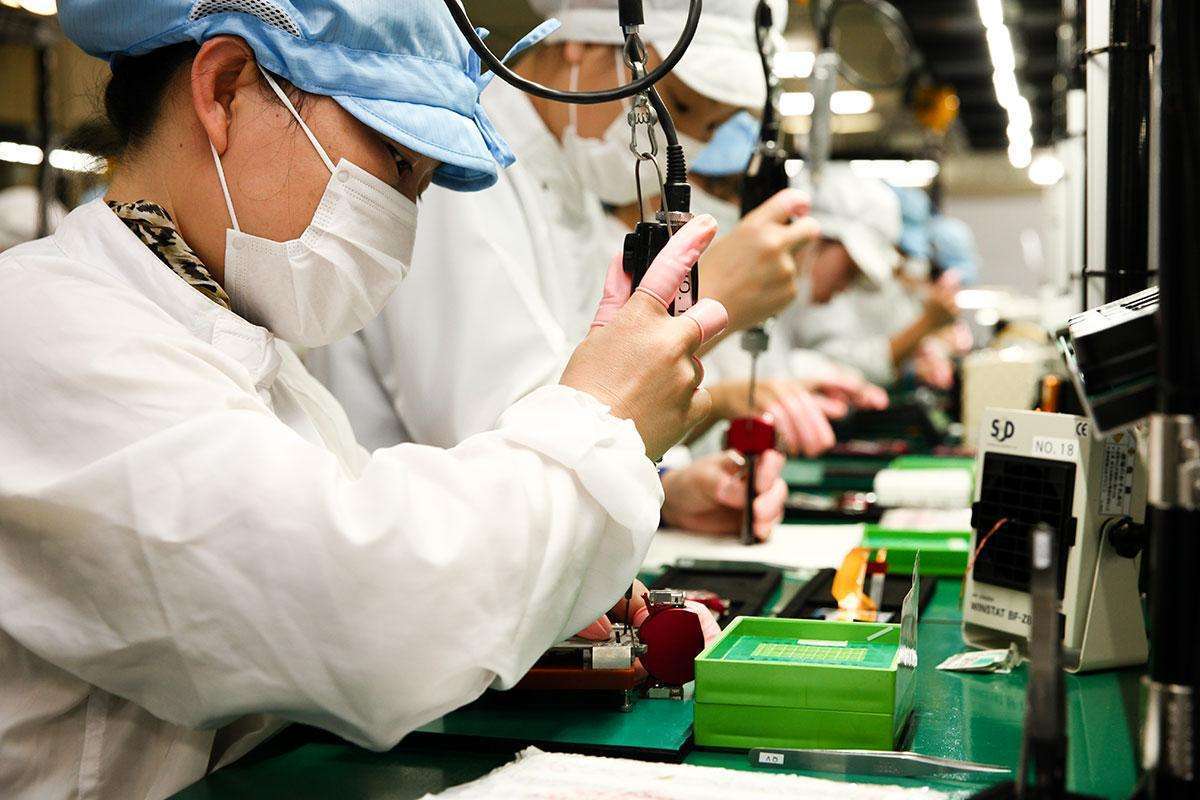
This is an image from the internet showing a scene from the screw-tightening process in Casio camera manufacturing. Workers use handheld smart screwdrivers to tighten screws and reinforce the camera body. Compared to the earlier manual screwdrivers, this new method has significantly boosted efficiency and dramatically reduced production time.
But don’t forget the date this photo was taken—2014!
If we’re still using this handheld smart screwdriver today, does that somehow mean we’ve been lagging behind the times for more than five years already?
Of course, some might argue that this approach is still preferable, simply because other costs are lower.
It’s true that screwdrivers are low-cost, but are labor costs also low? We should definitely put a question mark here.
The correct way to open a screwdriver on the production line should be like this.
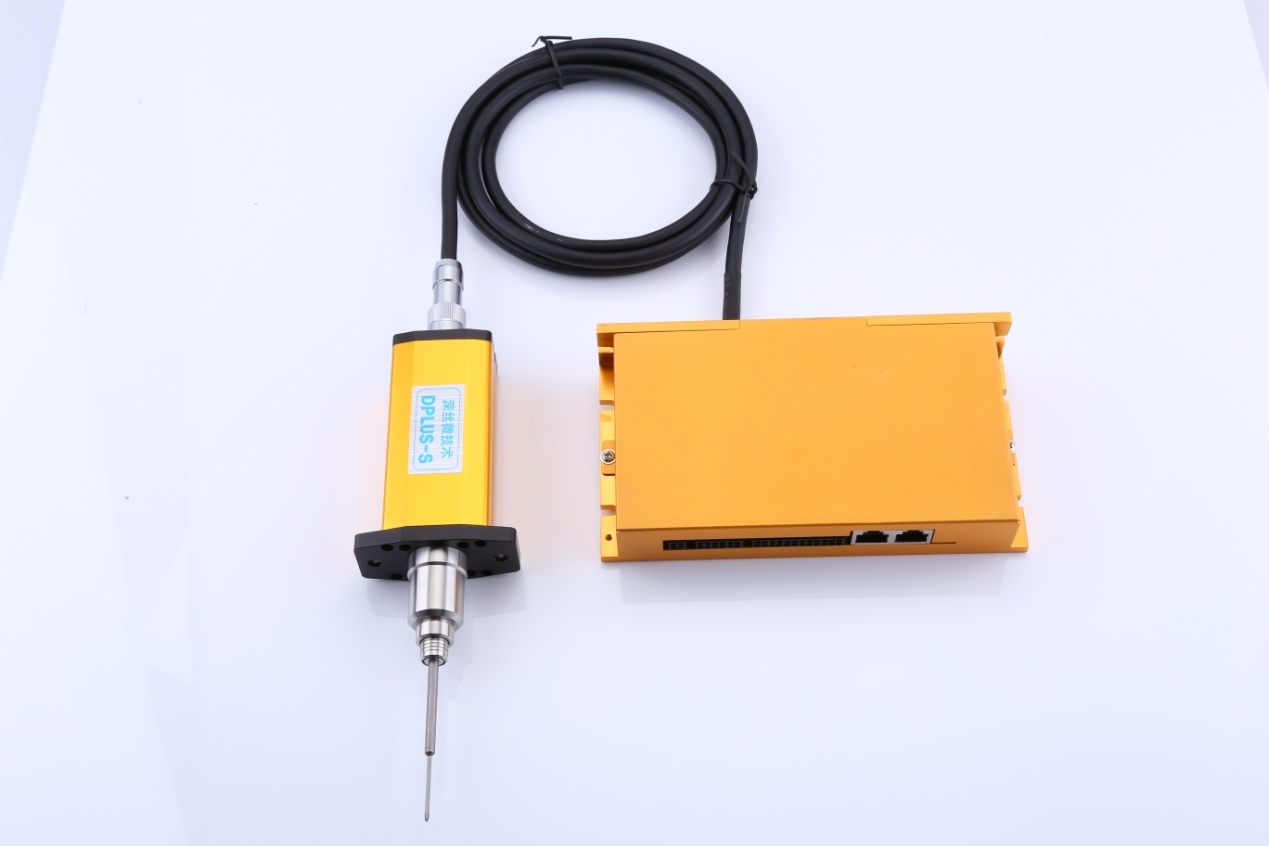
When paired with the corresponding work platform and robot, the servo screwdriver achieves precise, unmanned, efficient, and rapid tightening.
By breaking free from human labor constraints and achieving fully automated production, every single screw can be precisely tightened to a fixed torque level tailored to the product’s requirements. This eliminates the risk of human hand tremors, ensuring that every screw in the product is positioned just right. If there’s anything even more precise than this, it must be its next-generation new product!
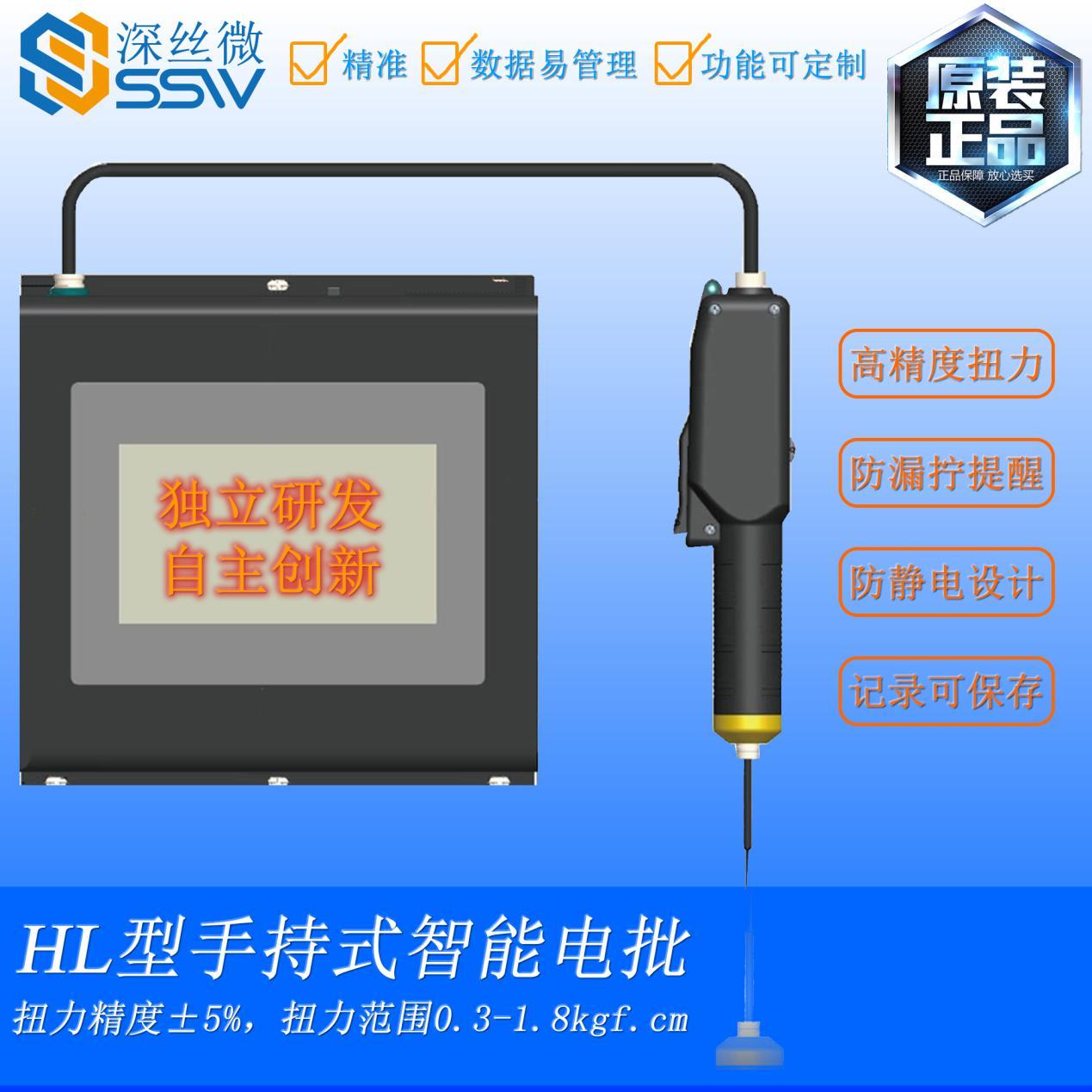
In fact, “precision” isn’t its only defining characteristic—what’s truly terrifying is its ability to perform memory functions.
Perfection isn't so easy to achieve. There will always be various objective factors that prevent a screw from being fully tightened. For example, even if a fixed torque is set, if there are impurities in the screw hole, that screw probably won't be able to be screwed in perfectly.
However, the Sensewee servo tightening system’s screwdriver can memorize the process of each screw tightening and record and feedback the data. After production is completed, you only need to check the data to identify the problem and address it promptly.
Previous article
Next article
Relevant Information
Introduction to Smart Electric Screwdrivers
2023-08-19
How to use a smart electric screwdriver
2023-06-12
SenseweeA reliable partner brand you can trust.

Copyright & ©2025 Shenzhen Sensewee Intelligent Technology Co., LTD All rights reserved
SEO
Technical Support:Chinese Enterprises Cross-border Shenzhen
Persistently build a comprehensive service system for our customers and continue to lead the future through innovation.
Sales Engineer (Huang Sheng)
Sales Engineer (Shi Sheng)
Sales Engineer (Lu Sheng)
Address
Building G, Room 608, Longjing Science and Technology Park, No. 335 Bulong Road, Shajing Subdistrict, Longgang District, Shenzhen City, Guangdong Province
Copyright & ©2025 Shenzhen Sensewee Intelligent Technology Co., LTD All rights reserved
SEO
Technical Support:Chinese Enterprises Cross-border Shenzhen
在线客服添加返回顶部
右侧在线客服样式 1,2,3 1
图片alt标题设置: Remember to modify: Company Name
表单验证提示文本: Content cannot be empty!
循环体没有内容时: Sorry, no matching items were found.
CSS / JS 文件放置地